Intermittent Fasting [IF] has become one of the most talked-about health strategies of the last decade — and I think the interest is genuinely warranted. But most people are practicing it for the wrong reason, measuring it by the wrong outcome, and giving up before the real benefits kick in. IF is not primarily a weight loss tool. It is a metabolic reset — one that changes how your body produces energy, repairs itself, and ages at the cellular level. When you understand what it is actually doing, everything changes.
What is Intermittent Fasting?
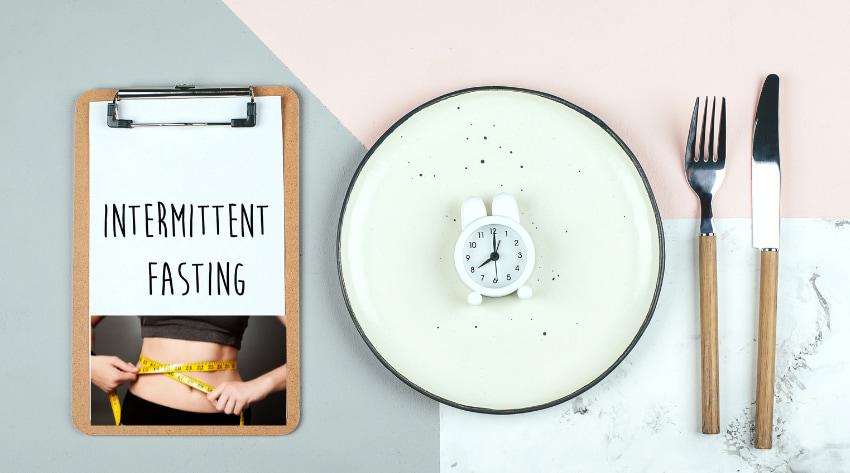
Intermittent Fasting cycles between defined periods of fasting and eating. The most popular approaches are:
- Time-restricted feeding. Eating within a set window — typically 8 hours — and fasting for the remaining 16.
- Alternate-day fasting. Eating normally one day and restricting significantly the next.
- The 5:2 method. Eating normally five days a week and restricting to around 500–600 calories on the other two.
The mechanism that makes IF so powerful is metabolic switching. After roughly 12–16 hours without food, your body depletes its glycogen stores and shifts from burning glucose to burning fat — producing ketone bodies in the process. That shift is the engine behind nearly every meaningful benefit IF has to offer.
Is IF just about eating less?
I hear this constantly — that IF works because you end up eating less. And yes, most people do naturally reduce their intake when their window shortens. But that framing misses most of what is actually happening. You can consume the same total calories within a compressed eating window and still produce real, measurable metabolic improvements.
The timing of eating independently influences hormone levels, fat oxidation, and cellular repair. That is not a small thing.
What the research actually shows
Metabolic Health and Insulin Resistance
This is where IF’s evidence is strongest. Research confirms that IF promotes a metabolic transition in which glucose is replaced by fatty acids and ketone bodies, improving glucose tolerance and insulin sensitivity through reductions in insulin and leptin levels, enhanced adiponectin secretion, and improved cellular redox balance. A 2025 meta-analysis in Frontiers in Nutrition found that various fasting protocols significantly reduced fasting blood sugar, insulin, HOMA-IR, and HbA1c levels in people with metabolic syndrome. These are the numbers that actually tell you whether your metabolism is working.
Autophagy — your body’s built-in cellular clean-up
This is the benefit that almost nobody talks about enough. Autophagy is your body’s process of breaking down and clearing damaged, dysfunctional cells. It is typically initiated after approximately 16 hours of fasting, with activity progressively increasing as fasting duration extends. A 2025 human study in Clinical Nutrition ESPEN found that four weeks of IF significantly upregulated autophagy-related genes while improving inflammatory and metabolic markers in overweight and obese subjects. This is anti-ageing at its most fundamental — not a cream, not a peptide, but your own biology doing what it was designed to do.
Brain health and cognitive function
A Johns Hopkins and NIH study found that IF improved memory and executive function more strongly than a standard healthy diet alone in older adults with obesity and insulin resistance. More compellingly, IF decreased the brain-age-gap estimate on MRI and reduced brain glucose levels — suggesting neuroprotective effects that exist independently of weight loss. Emerging research also shows IF can reduce toxic protein burden in the brain relevant to Alzheimer’s and Parkinson’s disease, with beta-hydroxybutyrate playing a central role. If you have a family history of cognitive decline, this alone is reason enough to take IF seriously.
The Cochrane Review — what it found and where it falls short
In February 2026, the Cochrane Collaboration published a major systematic review on IF and weight loss. It found that IF did not appear to have a clinically meaningful effect on weight loss compared to standard dietary advice, drawing on 22 trials with 1,995 participants. Compared to no intervention at all, IF showed a modest benefit — 2 to 5% average weight reduction at 6 to 12 months — which was statistically significant but small.
I think this review deserves honest scrutiny. Most studies followed participants for short periods, and as the lead author acknowledged, obesity is a chronic condition — making short-term trials difficult to translate into long-term guidance. More importantly, the review focused almost entirely on weight, largely ignoring the insulin resistance, autophagy, inflammation, and cognitive benefits where IF’s evidence is considerably stronger. The mean difference in weight loss between IF and standard dietary advice was just −0.33% across 21 studies — a figure that reflects enormous variability between trials as much as any limitation of IF itself.
My view: IF is not a magic bullet for weight loss in isolation. But judging IF purely by short-term weight outcomes is the wrong question entirely.
The full range of IF benefits
When practiced consistently, IF supports:
- Improved blood sugar control and insulin sensitivity
- Lower blood pressure and reduced systemic inflammation
- Better brain function, memory, and executive function
- Reduced risk of dementia, diabetes, heart disease, and certain cancers
- Activated autophagy — cellular clearance of damaged cells
- Increased ATP production and mitochondrial health
- Improved fat oxidation and metabolic flexibility
- Healthier cholesterol balance and stronger bone density
Making IF work long-term
Start shorter than you think you need to. Begin with 12 to 14 hours and extend only when that feels effortless. Rushing the process is the most common reason people give up early.
Consistency beats intensity. The metabolic adaptations that make IF transformative — insulin sensitivity, fat oxidation, metabolic flexibility — develop over weeks and months, not days.
Hydrate with minerals, not just water. Plain water during fasting can worsen electrolyte imbalance. You need minerals alongside fluids.
Prioritise complete protein. Aim for 1 to 1.2 grams per pound of desired lean body mass from wild animal protein sources — lamb, bison, grass-fed beef, wild salmon, arctic char. These trigger CCK, the satiety hormone that makes fasting windows far easier to sustain, and preserve the lean muscle mass that keeps your metabolism working. See The Ultimate Protein Guide.
Move around mealtimes. Even a short walk before or after eating blunts the blood sugar rise and improves glucose uptake in your muscles.
Eliminate processed foods and artificial sweeteners. Processed foods impair your satiety signals, damage your gut lining, and drive sugar cravings — making fasting harder. Artificial sweeteners raise insulin despite containing no calories and disrupt the gut microbiome in ways that directly undermine IF. This is not optional if you want real results.
Supplements that help deepen IF results
IF is powerful on its own. These four supplements close the gaps that make fasting harder to sustain or less effective than it should be.
Accelerated Fast®
Accelerated Fast® accelerates the shift into fat-burning mode, help suppress appetite during the fasting window, and supports clean sustained energy — making longer fasts noticeably more manageable. Its cofactor ingredients support liver function, fat metabolism, and lean muscle preservation simultaneously.
Acceleradine® Iodine
Acceleradine® Iodine supports the mitochondrial and ATP benefits fasting is designed to unlock. Without adequate iodine, your mitochondria cannot produce energy efficiently — and when iodine receptor sites are occupied by toxic halogens like fluoride, bromine, and chlorine, your metabolism takes the hit. Acceleradine® addresses this at the root.
Accelerated Thyroid®
Accelerated Thyroid® is the supplement I reach for when someone is doing everything right with IF and still not seeing results. Suboptimal thyroid function is one of the most underdiagnosed reasons weight loss stalls — and its benefits are amplified during fasting when the body is actively clearing the blocks that hold thyroid function back.
Accelerated AMINOS®
Accelerated AMINOS® delivers essential amino acids without breaking the fast, protecting lean muscle during extended fasting windows and supporting mitochondrial function and recovery throughout the fasting period.
Final Thoughts
Intermittent Fasting is one of the most powerful tools available for metabolic health — but only when you understand what it is actually doing. It is not a crash diet. It is not a short-term fix. It is a practice that, done consistently and supported well, gives your body the conditions it needs to repair, regenerate, and function the way it was designed to.
Give it time. Get the foundation right. And measure it by how you feel, how your energy holds, how your thinking sharpens — not just what the scale says in the first few weeks.
The results that matter most tend to show up when you stop looking for a shortcut and start trusting the process.
Frequently Asked Questions
Water, black coffee, and plain herbal tea are generally safe. Anything containing calories or sweeteners will technically break the fast. Keep the fasting window as clean as possible, especially early on.
Not significantly, provided protein intake is adequate in the eating window. The risk increases with very long fasts, low protein, or intense training without nutritional support. Prioritising complete protein and essential amino acid supplementation addresses this effectively.
No. I would caution against it — or recommend medical supervision — for anyone who is pregnant or breastfeeding, has a history of eating disorders, takes insulin-regulating medications, or is underweight or dealing with adrenal fatigue. For most healthy adults it is well tolerated when approached gradually.
Energy and mental clarity often improve within one to two weeks. Blood sugar and insulin changes typically appear within four to eight weeks. Weight changes are slower — which is normal and not a sign that IF isn’t working.
Any caloric intake, particularly anything that spikes insulin — sugar, refined carbohydrates, dairy, juice, and sweetened drinks. Black coffee and plain water do not meaningfully interrupt the metabolic benefits for most people.
Yes, and fasted exercise often enhances fat burning. Light to moderate activity is well tolerated. For intense training, make protein a priority in the eating window and monitor your energy levels as you adapt.
Usually it comes down to food quality in the eating window, unaddressed thyroid dysfunction, high toxic burden, persistent insulin resistance, or insufficient protein. IF creates the conditions for fat burning — but your liver health, thyroid function, and what you eat determine how effectively that translates into results.

Sara Banta
Sara Banta is an NANP Certified Dietary Supplement Professional, Health Coach, and CEO & Founder of Accelerated Health Products. She is also the host of the top-rated podcast Accelerated Health with Sara Banta, where she shares practical strategies to support energy, metabolism, hormones, and overall wellness. Sara is passionate about helping people take control of their health naturally through education and innovative formulations.
- Sara Banta
- Sara Banta
- Sara Banta
- Sara Banta
- Sara Banta
- Sara Banta
- Sara Banta
- Sara Banta
- Sara Banta
- Sara Banta
- Sara Banta
- Sara Banta
- Sara Banta
- Sara Banta
- Sara Banta
- Sara Banta
- Sara Banta
- Sara Banta
- Sara Banta
- Sara Banta
- Sara Banta
- Sara Banta
- Sara Banta
- Sara Banta
- Sara Banta
- Sara Banta
- Sara Banta
- Sara Banta
- Sara Banta
- Sara Banta
- Sara Banta
- Sara Banta
- Sara Banta
- Sara Banta
- Sara Banta
- Sara Banta
- Sara Banta
- Sara Banta
- Sara Banta
- Sara Banta
- Sara Banta
- Sara Banta
- Sara Banta
- Sara Banta
- Sara Banta
- Sara Banta
- Sara Banta
- Sara Banta
- Sara Banta
- Sara Banta
- Sara Banta
- Sara Banta
- Sara Banta
- Sara Banta
- Sara Banta
- Sara Banta
- Sara Banta
- Sara Banta
- Sara Banta
- Sara Banta
- Sara Banta
- Sara Banta
- Sara Banta
- Sara Banta
- Sara Banta
- Sara Banta
- Sara Banta
- Sara Banta
- Sara Banta
- Sara Banta
- Sara Banta
- Sara Banta
- Sara Banta
- Sara Banta
- Sara Banta
- Sara Banta
- Sara Banta
- Sara Banta
- Sara Banta
- Sara Banta
- Sara Banta
- Sara Banta
- Sara Banta
- Sara Banta
- Sara Banta
- Sara Banta
- Sara Banta
- Sara Banta
- Sara Banta
- Sara Banta
- Sara Banta
- Sara Banta
- Sara Banta
- Sara Banta
- Sara Banta
- Sara Banta
- Sara Banta
- Sara Banta
- Sara Banta
- Sara Banta
- Sara Banta
- Sara Banta
- Sara Banta
- Sara Banta
- Sara Banta
- Sara Banta
- Sara Banta
- Sara Banta
- Sara Banta
- Sara Banta
- Sara Banta
- Sara Banta
- Sara Banta
- Sara Banta
- Sara Banta
- Sara Banta
- Sara Banta
- Sara Banta
- Sara Banta
- Sara Banta
- Sara Banta
- Sara Banta
- Sara Banta
- Sara Banta
- Sara Banta
- Sara Banta
- Sara Banta
- Sara Banta
- Sara Banta
- Sara Banta
- Sara Banta
- Sara Banta
- Sara Banta
- Sara Banta
- Sara Banta
- Sara Banta
- Sara Banta
- Sara Banta
- Sara Banta
- Sara Banta
- Sara Banta
- Sara Banta
- Sara Banta
- Sara Banta
- Sara Banta
- Sara Banta
- Sara Banta
- Sara Banta
- Sara Banta
- Sara Banta
- Sara Banta
- Sara Banta
- Sara Banta
- Sara Banta
- Sara Banta
- Sara Banta
- Sara Banta
- Sara Banta
- Sara Banta
- Sara Banta
- Sara Banta
- Sara Banta
- Sara Banta
- Sara Banta
- Sara Banta
- Sara Banta
- Sara Banta
- Sara Banta
- Sara Banta
- Sara Banta
- Sara Banta
- Sara Banta
- Sara Banta
- Sara Banta
- Sara Banta
- Sara Banta
- Sara Banta
- Sara Banta
- Sara Banta
- Sara Banta
- Sara Banta
- Sara Banta
- Sara Banta
- Sara Banta
- Sara Banta
- Sara Banta
- Sara Banta
- Sara Banta
- Sara Banta
- Sara Banta
- Sara Banta
- Sara Banta
- Sara Banta
- Sara Banta
- Sara Banta
- Sara Banta
- Sara Banta
- Sara Banta
- Sara Banta
- Sara Banta
- Sara Banta
- Sara Banta
- Sara Banta
- Sara Banta
- Sara Banta
- Sara Banta
- Sara Banta
- Sara Banta
- Sara Banta
- Sara Banta
- Sara Banta
- Sara Banta
- Sara Banta
- Sara Banta
- Sara Banta
- Sara Banta
- Sara Banta
- Sara Banta
- Sara Banta
- Sara Banta
- Sara Banta
- Sara Banta