






For many people struggling with stubborn weight, the issue isn’t calories, carbs, hormones, or motivation. It’s histamine overload — a survival signal that tells the body it is not safe to burn fat. Histamine is a biogenic amine and a signaling chemical released by the immune system to send messages between different cells.
Histamine is not just an “allergy chemical.” It is a powerful immune and metabolic messenger. When histamine stays elevated, the body shifts into protection mode. Fat burning, hormone optimization, and detoxification slow down — not because your body is broken, but because it’s prioritizing survival.
In today’s environment, histamine issues are rarely caused by one trigger. They develop from layers of stress stacking over time: iodine deficiency, toxin exposure, mold, heavy metals, liver congestion, immune activation, viral debris, and modern diets that unknowingly increase histamine load. Learn more about why stubborn weight gain may have deeper root causes beyond the basics.
Histamine is produced by basophils and mast cells found in connective tissues.
When these systems collide, weight loss becomes biologically unsafe — and understanding how to lower your body’s histamine response becomes essential for restoring metabolic safety.
Histamine Is a Metabolic Brake — Not Just an Allergy Reaction
Histamine is released by mast cells when the immune system perceives danger. That danger can be pollen or food — but far more often today, it’s internal stress:
- Toxins stored in fat tissue
- Mold or mycotoxins
- Heavy metals
- Viral debris and spike protein fragments
- Gut permeability
- Hormone congestion
- Nervous system overload
Histamine plays a central role in various allergic conditions and is involved in the modulation of immune responses, including cytokine production.
Histamine’s job is to increase vigilance. It raises cortisol, increases blood vessel permeability, pulls fluid into tissues, and shifts the nervous system into fight-or-flight.
That state is incompatible with fat loss.
When histamine is high:
- The body retains water, meaning weight doesn’t move
- Insulin sensitivity drops
- Thyroid hormone signaling is impaired
- Mitochondrial energy production slows
- Appetite signals become erratic
Histamine’s effects on the immune system include the regulation of T cells, B cells, and other immune cells during allergic inflammation.
This is why many people with high histamine feel “inflamed,” puffy, anxious, and stuck — even while doing everything “right.” The overlap with anxiety and adrenal stress is significant; for a deeper look at the stress-histamine feedback loop, see Which Supplements Really Help with Stress and Anxiety.
Histamine can induce the release of various inflammatory mediators, which can stimulate the migration of different inflammatory cells to target sites, contributing to allergic inflammation and inflammatory diseases.
Iodine Deficiency Is a Hidden Driver of Histamine Intolerance
One of the most overlooked contributors to histamine overload is iodine deficiency.
Iodine is essential for:
- Thyroid hormone production and signaling
- Immune regulation
- Mast cell stabilization
- Cellular detoxification
- Neurological balance
Modern iodine deficiency is not only due to lack of intake alone; it’s also driven by halogen displacement — fluoride, bromide, and chlorine blocking iodine receptors throughout the body. An endocrinologist recently explained why iodine deficiency has reached crisis levels and what’s driving the epidemic.
When iodine is displaced:
- Mast cells become hyper-reactive
- Histamine clearance slows
- Thyroid signaling weakens
- Detox pathways stall
Histamine plays a central role in the pathogenesis of allergic diseases such as allergic rhinitis, atopic dermatitis, and allergic asthma.
This creates a feedback loop: Low iodine → impaired thyroid → slower detox → higher histamine → metabolic shutdown. For a full picture of how thyroid function affects weight and metabolism, see How to Boost Thyroid Levels Naturally.
Many people notice that when they begin iodine support, symptoms temporarily flare — not because iodine is harmful, but because it displaces stored halogens, triggering detox and immune signaling. Without proper support, this can feel like “iodine intolerance,” when it is actually unbuffered detox.
Histamine Receptors and Their Role
Histamine doesn’t just float around randomly in your body. It works by locking onto specialized proteins called histamine receptors — and these receptors determine whether you feel relief or misery. There are four main types — H1, H2, H3, and H4 — and each one quietly controls a different piece of your health puzzle.
H1 Receptors
H1 receptors are the troublemakers most people know about. When histamine hits these receptors, you get the classic allergic chaos — itching, sneezing, mucus overproduction, and all the miserable hallmarks of allergic rhinitis and asthma. H1 receptors also mess with your blood vessels and smooth muscle, driving inflammation and making your tissues leaky when they should stay sealed. H1 receptor activation by histamine also causes bronchoconstriction, contributing to allergic symptoms. Histamine binding to H1 receptors on endothelial cells leads to increased vascular permeability, vasodilation, and can influence blood pressure regulation.
H2 Receptors
H2 receptors live primarily on the parietal cells lining your stomach, where they control gastric acid production. This process is critical for breaking down food and absorbing nutrients. When doctors block H2 receptors with medications, they’re turning down your stomach’s acid production — which can work for acid reflux but quietly creates other digestive issues down the line.
H3 Receptors
H3 receptors operate in your central nervous system, where they regulate neurotransmitter release and influence sleep, appetite, and cognitive clarity. By controlling nerve cells and sensory neurons, H3 receptors play a subtle but crucial role in how your body manages food intake and energy balance — processes that most people never connect to histamine.
H4 Receptors
H4 receptors are found on immune cells like T cells and dendritic cells, where they coordinate immune responses and drive allergic diseases like atopic dermatitis. These receptors are highly expressed on mast cells and in bone marrow, where they play a role in the formation of certain blood cells and in inflammatory disorders. Stimulation of H4 receptors can exacerbate histamine release and cytokine generation, influencing allergic inflammation and chronic pruritus.
Understanding how histamine receptors work doesn’t just explain why allergic reactions happen — it reveals why targeted approaches work better than simply hoping symptoms will disappear. This knowledge opens the door to smarter therapeutic strategies for managing allergic diseases, digestive dysfunction, and the metabolic resistance that keeps people stuck.
Mast Cells and Histamine Release
Mast cells are the body’s ultimate immune warriors — stationed like armed guards throughout your skin, lungs, and gut. When your immune system overreacts to everyday threats like pollen, certain foods, or environmental toxins, these powerful cells can become your worst enemy instead of your protector.
These immune cells are loaded with granules packed full of histamine. When they get triggered — usually by allergens latching onto IgE antibodies on their surface — mast cells degranulate, dumping massive amounts of histamine directly into your tissues. That histamine surge cranks up vascular permeability, supposedly helping immune cells reach the problem area faster. The result? Swelling, redness, and endless mucus production.
Mast cell activation sits at the core of many allergic diseases that conventional medicine struggles to address — from allergic rhinitis and conjunctivitis to life-threatening anaphylaxis. To understand how the gut microbiome influences this immune reactivity, see Your Complete Guide To Targeted Gut Microbiome Supplements.
Real healing doesn’t come from suppressing symptoms. It comes from addressing the root causes of immune imbalance so your body can finally support its natural weight regulation.
Toxins Amplify Histamine Release and Block Weight Loss
Modern toxin exposure is one of the strongest histamine drivers today.
Mold, heavy metals, pesticides, microplastics, and chemical pollutants all:
- Activate mast cells and other immune cells
- Increase inflammatory cytokines
- Overwhelm liver detox pathways
- Raise baseline histamine levels
Fat tissue becomes a storage site for these toxins. When the body senses that burning fat would release inflammatory compounds into circulation, it locks fat storage in place. Research has even found microplastics accumulating in human bones, underscoring just how pervasive modern toxic load has become.
This is not resistance — it’s protection. Until toxins are bound, neutralized, and eliminated, the body will resist weight loss no matter how clean the diet is. A structured, nutrient-dense approach like Sara Banta’s comprehensive detox programs can be highly effective for lowering toxic load and easing histamine-driven weight plateaus.
Liver Congestion Is Central to Histamine and Weight Issues
The liver is responsible for breaking down:
- Histamine
- Estrogen
- Cortisol
- Toxins
- Inflammatory byproducts
Histamine is synthesized from the amino acid histidine by the enzyme L-histidine decarboxylase and is stored in granules in mast cells and basophils, which release it during immune responses.
When liver pathways are congested, histamine doesn’t clear — it recirculates. The downstream effects compound quickly:
- Histamine recirculates through the bloodstream
- Estrogen dominance increases (which further raises histamine)
- Cortisol stays elevated
- Fluid retention worsens
- Metabolism slows
This is why histamine issues, PMS, weight gain, anxiety, and fatigue often travel together. They are clearance problems, not intake problems. For a full breakdown of what really works to support this critical organ, see Liver Cleanse Detox: The Truth About Liver Detoxification.
Forever chemicals and environmental toxins are also now confirmed to triple liver disease risk, making liver support more critical than ever for anyone with histamine intolerance. Protein kinases play a key role in regulating liver detoxification and histamine metabolism by modulating cellular signaling pathways involved in these processes. Histamine regulates various physiological and immune processes, including metabolic and inflammatory pathways.
Supporting the liver is non-negotiable for lowering histamine, restoring metabolic flow, and enhancing bile flow and clearance pathways.
Gastric Acid, Digestion, and Histamine
Histamine doesn’t just play a role in digestion — it controls it. When you eat, your stomach releases histamine that locks onto H2 receptors on parietal cells, demanding they pump out gastric acid. This acid breaks down proteins, pulls minerals from food, and kills harmful microbes before they can take hold. Without this process working correctly, your entire digestive system falls apart.
When histamine signaling goes wrong, your body pays the price. Too much histamine means excessive acid production — leading to heartburn or ulcers. Too little means your digestive fire goes out completely. Proteins sit undigested. Minerals pass right through you. Harmful microbes set up camp in your gut.
This is why histamine balance isn’t just about digestion — it’s about giving your body what it can actually handle instead of letting it spiral into chaos. The connection between gut health and skin conditions like eczema is also well-established; learn more in Research Reveals Eczema Link To Gut Microbiome.
For anyone with concurrent thyroid concerns and digestive issues, Fasting and Hypothyroidism: What You Need to Know Before You Start offers important context on how to approach protocols safely.
Spike Protein and Viral Debris Can Trigger Histamine Storms
A major modern contributor to histamine overload is persistent immune activation from viral debris, including spike protein fragments.
These particles:
- Activate mast cells
- Increase vascular permeability (swelling, pressure, ringing ears)
- Trigger neuroinflammation
- Disrupt mitochondrial signaling
This explains why people experience sudden onset of:
- Swollen fingers or face
- Tinnitus
- Anxiety
- Brain fog
- Rapid weight gain or water retention
Symptoms of histamine intolerance can also include flushing, itching, hives, headaches, and gastrointestinal issues.
Histamine rises not because of food, but because the immune system is constantly reacting. Supporting immune clarity is a foundational step. For strategies on building a stronger, more resilient immune system, see Strengthening the Immune System by Stacking Foods and Supplements. The nasal mucosa is a key site where histamine mediates symptoms such as congestion, rhinitis, and mucosal edema, especially during allergic reactions.
High-Histamine Foods Can Push an Already Overloaded System
When histamine load is already high, foods that are normally tolerated can become problematic. This is also why fermented foods, often praised as gut-healing miracles, may not be right for everyone with histamine issues — see Are Fermented Foods Really Transforming Gut Health? for the nuanced picture.
Common high-histamine or histamine-liberating foods include:
- Fermented foods (kombucha, sauerkraut, kefir)
- Alcohol
- Vinegar
- Aged cheeses
- Processed or leftover meats
- Bone broth cooked too long
- Certain fruits (avocado, citrus, strawberries)
The small intestine mucosa contains the enzyme diamine oxidase (DAO), which helps degrade ingested histamine. Probiotics containing histamine-producing strains should be avoided by those with histamine intolerance. In a calm immune system, these foods can be nourishing. In a histamine-loaded body, they act as additional danger signals.
Weight loss stalls not because the food is “bad,” but because the immune system is already overwhelmed. Histamine intolerance is often managed through dietary changes, the use of antihistamines, and strategic nutritional supplements to support metabolism and detox.
Why Histamine Receptors Directly Block Fat Burning
High histamine:
- Raises cortisol → fat storage
- Suppresses thyroid signaling → low metabolic output
- Promotes insulin resistance
- Increases inflammation and water retention
- Keeps the nervous system in survival mode
The body will not burn fat when it feels under threat. Fat loss requires safety. This is also why metabolic challenges compound with age; building and maintaining muscle is one of the best protective steps — explore how in Building Muscle to Protect Your Metabolism as You Age.
Strategic Support to Lower Histamine and Restore Metabolism
This is not about blocking histamine. It’s about restoring regulation.
Histamine biology involves complex interactions with various receptor subtypes, influencing immune regulation, inflammation, and metabolic processes. Histamine becomes a problem when the body is overloaded, inflamed, under-nourished, and unable to clear what it’s reacting to. Each of the supplements below addresses a different control point in the histamine–metabolism loop.
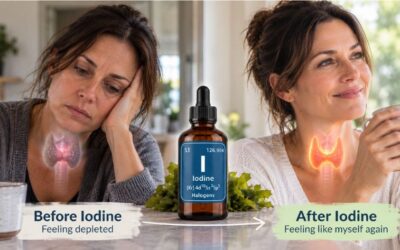
Acceleradine® Iodine — The Master Regulator of Immune Signaling and Metabolic Safety
Iodine plays a direct role in how aggressively mast cells respond to stress. When iodine is deficient or blocked, mast cells become hyper-reactive — releasing histamine in response to even minor triggers.
Iodine:
- Restores thyroid signaling, which directly regulates histamine breakdown and clearance
- Improves cellular oxygen utilization, reducing hypoxia that triggers mast cell activation
- Stabilizes immune surveillance, helping the immune system respond precisely instead of overreacting
- Displaces halogens (fluoride, bromide, chlorine) that inflame mast cells and block thyroid receptors
- Supports neurological signaling, calming the stress–histamine feedback loop
There’s also a critical connection between iodine and thyroid cancer risk — particularly relevant for anyone with thyroid concerns. Read more in The Concerning Link Between X-Ray and Thyroid Cancer.
When iodine is restored correctly, the body shifts out of “constant alert mode.” This alone can dramatically reduce swelling, flushing, anxiety, water retention, and stalled fat loss — not by suppressing histamine, but by removing the reason it’s being released.
Accelerated Liver Care® — Where Histamine, Estrogen, and Cortisol Either Exit or Recirculate
Histamine is metabolized primarily in the liver. If bile flow is sluggish or detox pathways are congested, histamine doesn’t clear — it recycles.
The ingredients in this formula support:
- Phase I–III detoxification, so histamine metabolites actually leave the body
- Bile flow, which is essential for removing inflammatory compounds and estrogen
- Estrogen clearance, lowering one of the strongest amplifiers of histamine
- Thyroid hormone conversion (T4 → T3), which improves metabolic output and immune balance
- Reduction of inflammatory backflow, preventing repeated mast cell activation
Many people try antihistamines when the real issue is impaired clearance. For a practitioner-level look at how fatty liver disease compounds this problem, see A Practitioner’s Guide to Fatty Liver Disease Supplements. When the liver flows, histamine levels drop naturally — and metabolism resumes.
HistaHarmony® — Targeted Gut-Level Histamine Regulation
While systemic detox and thyroid signaling are critical, a significant portion of histamine burden begins in the digestive tract. HistaHarmony® is formulated to support healthy DAO (diamine oxidase) activity directly in the gut, where dietary and microbially-produced histamine are first encountered.
HistaHarmony® may help:
- Support healthy DAO enzyme activity in the digestive tract
- Reduce the histamine burden from foods before it enters systemic circulation
- Calm gut-driven immune activation
- Support intestinal barrier integrity, reducing histamine-triggering permeability
- Improve tolerance to higher-protein or fermented foods when appropriate
Understanding your microbiome’s role in histamine production is essential. Your Guide to Prebiotics, Probiotics and Postbiotics can help you navigate which strains support versus worsen histamine load.
DAO support alone is not enough. But when the gut, liver, thyroid, and immune system are supported together, histamine regulation improves dramatically.
Accelerated Cellular Detox® Powder — Preventing Histamine Flares During Detox
One of the biggest mistakes people make with histamine issues is mobilizing toxins without binding them. When toxins are released from tissues and not captured in the gut, they re-enter circulation — triggering massive histamine release.
This formula works by:
- Binding heavy metals, mold toxins, halogens, microplastics, and inflammatory debris in the gut
- Preventing enterohepatic recirculation, which repeatedly triggers immune reactions
- Lowering total toxic load, reducing mast cell stimulation at the source
- Allowing detox to feel calming, not reactive — which is critical for histamine-sensitive individuals
The lymphatic system plays a crucial supporting role in carrying toxins out of tissues before the liver can process them. Understanding this system can transform how you approach detox — see Your Guide to The Lymphatic System.
This is why detox without binders often worsens histamine — and why proper binding is non-negotiable for fat loss.
Quercetin — Mast Cell Stabilization Without Blocking Detox
Quercetin is not a histamine “shut-off switch.” It’s a mast cell modulator.
What it does differently:
- Stabilizes mast cell membranes, reducing inappropriate histamine release
- Calms inflammatory signaling, especially during detox or immune stress
- Does not suppress liver pathways, unlike some antihistamines
- Supports mitochondrial antioxidant defense, lowering oxidative stress
This allows histamine levels to come down while detox continues, instead of stopping detox and trapping inflammation.
Accelerated Colloidal Silver® — Reducing Immune Noise That Drives Histamine
A major driver of chronic histamine issues today is persistent microbial and viral load. Low-grade infections don’t always cause acute illness — but they keep the immune system activated. Silver helps by:
- Lowering viral and microbial burden, reducing constant immune stimulation
- Supporting immune clarity, not overstimulation
- Reducing inflammatory signaling to mast cells
- Freeing metabolic energy that was being diverted to immune defense
When immune load drops, histamine release often drops with it — and nervous system symptoms calm.
Accelerated Scalar Copper™ — The Overlooked Mineral for Histamine Metabolism
Copper is required for the enzyme diamine oxidase (DAO) — one of the body’s primary histamine-degrading enzymes. Without adequate bioavailable copper:
- Histamine breakdown slows
- Oxidative stress rises
- Mitochondrial energy production declines
- Nervous system sensitivity increases
Copper supports:
- Proper histamine degradation
- Mitochondrial respiration and ATP production
- Antioxidant enzymes (like SOD) that protect against inflammatory damage
- Neurological balance, reducing sensory overload and anxiety
For a deeper look at how copper and zinc interact — and why getting this balance right matters for histamine metabolism — see Copper vs Zinc: The Trace Mineral Balance Your Body Is Craving. This is why histamine intolerance often overlaps with fatigue, anxiety, poor exercise tolerance, and liver-related issues.
Why This Works When Dieting and Antihistamines Don't
Histamine-driven weight loss resistance is not solved by:
- Eating less
- Cutting more foods
- Forcing fasting
- Suppressing symptoms
It resolves when:
- Immune signaling calms
- Detox pathways open
- Thyroid communication restores
- Mast cells feel safe
- The nervous system exits survival mode
Only then does the body allow fat loss.
The Big Picture
Histamine issues are not a failure of discipline. They are not solved by restriction. They are not fixed by cutting more foods.
They are a signal that the body is overloaded — and an invitation to address the root causes with precision.
When iodine signaling is restored, detox pathways are supported, toxins are bound and removed, immune noise quiets, and the nervous system calms — metabolism turns back on naturally. If you’re unsure where to start, getting a personalized supplement protocol can help you map out the right priorities for your body.
For women navigating hormonal shifts that further complicate histamine and weight, Supplement Stacking for Perimenopause and Menopause provides targeted guidance.
Weight loss becomes possible not because you push harder, but because the body finally feels safe enough to let go.
For many people, histamines are the missing link between doing everything right and finally seeing results.
Frequently Asked Questions About Histamine and Weight Loss

Sara Banta
Sara Banta is an NANP Certified Dietary Supplement Professional, Health Coach, and CEO & Founder of Accelerated Health Products. She is also the host of the top-rated podcast Accelerated Health with Sara Banta, where she shares practical strategies to support energy, metabolism, hormones, and overall wellness. Sara is passionate about helping people take control of their health naturally through education and innovative formulations.
- Sara Banta
- Sara Banta
- Sara Banta
- Sara Banta
- Sara Banta
- Sara Banta
- Sara Banta
- Sara Banta
- Sara Banta
- Sara Banta
- Sara Banta
- Sara Banta
- Sara Banta
- Sara Banta
- Sara Banta
- Sara Banta
- Sara Banta
- Sara Banta
- Sara Banta
- Sara Banta
- Sara Banta
- Sara Banta
- Sara Banta
- Sara Banta
- Sara Banta
- Sara Banta
- Sara Banta
- Sara Banta
- Sara Banta
- Sara Banta
- Sara Banta
- Sara Banta
- Sara Banta
- Sara Banta
- Sara Banta
- Sara Banta
- Sara Banta
- Sara Banta
- Sara Banta
- Sara Banta
- Sara Banta
- Sara Banta
- Sara Banta
- Sara Banta
- Sara Banta
- Sara Banta
- Sara Banta
- Sara Banta
- Sara Banta
- Sara Banta
- Sara Banta
- Sara Banta
- Sara Banta
- Sara Banta
- Sara Banta
- Sara Banta
- Sara Banta
- Sara Banta
- Sara Banta
- Sara Banta
- Sara Banta
- Sara Banta
- Sara Banta
- Sara Banta
- Sara Banta
- Sara Banta
- Sara Banta
- Sara Banta
- Sara Banta
- Sara Banta
- Sara Banta
- Sara Banta
- Sara Banta
- Sara Banta
- Sara Banta
- Sara Banta
- Sara Banta
- Sara Banta
- Sara Banta
- Sara Banta
- Sara Banta
- Sara Banta
- Sara Banta
- Sara Banta
- Sara Banta
- Sara Banta
- Sara Banta
- Sara Banta
- Sara Banta
- Sara Banta
- Sara Banta
- Sara Banta
- Sara Banta
- Sara Banta
- Sara Banta
- Sara Banta
- Sara Banta
- Sara Banta
- Sara Banta
- Sara Banta
- Sara Banta
- Sara Banta
- Sara Banta
- Sara Banta
- Sara Banta
- Sara Banta
- Sara Banta
- Sara Banta
- Sara Banta
- Sara Banta
- Sara Banta
- Sara Banta
- Sara Banta
- Sara Banta
- Sara Banta
- Sara Banta
- Sara Banta
- Sara Banta
- Sara Banta
- Sara Banta
- Sara Banta
- Sara Banta
- Sara Banta
- Sara Banta
- Sara Banta
- Sara Banta
- Sara Banta
- Sara Banta
- Sara Banta
- Sara Banta
- Sara Banta
- Sara Banta
- Sara Banta
- Sara Banta
- Sara Banta
- Sara Banta
- Sara Banta
- Sara Banta
- Sara Banta
- Sara Banta
- Sara Banta
- Sara Banta
- Sara Banta
- Sara Banta
- Sara Banta
- Sara Banta
- Sara Banta
- Sara Banta
- Sara Banta
- Sara Banta
- Sara Banta
- Sara Banta
- Sara Banta
- Sara Banta
- Sara Banta
- Sara Banta
- Sara Banta
- Sara Banta
- Sara Banta
- Sara Banta
- Sara Banta
- Sara Banta
- Sara Banta
- Sara Banta
- Sara Banta
- Sara Banta
- Sara Banta
- Sara Banta
- Sara Banta
- Sara Banta
- Sara Banta
- Sara Banta
- Sara Banta
- Sara Banta
- Sara Banta
- Sara Banta
- Sara Banta
- Sara Banta
- Sara Banta
- Sara Banta
- Sara Banta
- Sara Banta
- Sara Banta
- Sara Banta
- Sara Banta
- Sara Banta
- Sara Banta
- Sara Banta
- Sara Banta
- Sara Banta
- Sara Banta
- Sara Banta
- Sara Banta
- Sara Banta
- Sara Banta
- Sara Banta
- Sara Banta
- Sara Banta
- Sara Banta
- Sara Banta
- Sara Banta
- Sara Banta
- Sara Banta
- Sara Banta
- Sara Banta
- Sara Banta
- Sara Banta
- Sara Banta
- Sara Banta
- Sara Banta
- Sara Banta
- Sara Banta
- Sara Banta
- Sara Banta
- Sara Banta
- Sara Banta
- Sara Banta
- Sara Banta
- Sara Banta
- Sara Banta
- Sara Banta