Why High-Fat Diets Drive Liver Stress — and How Accelerated Health® Tools Help Reverse the Damage
A groundbreaking new study from MIT has confirmed what functional practitioners have been observing for years:
A consistently high-fat diet rewires the liver, weakens its resilience, and dramatically increases the risk of liver cancer.
This research brings urgent attention to a surprising truth:
Your liver is not just overburdened by food—it is overwhelmed by toxins, endocrine disruptors, halogens, seed oils, medications, and metabolic stress that compound the effects of diet.
The good news?
Your liver can repair—if you create the right biochemical environment.
Today, I’ll walk you through the new findings, explain how diet interacts with detox pathways, and show you how to integrate Accelerated Fast™, Accelerated Silver®, Acceleradine® Iodine, and Accelerated Liver Care® to restore liver health, support immunity, and protect long-term metabolic function.
Introduction to Liver Cancer
Liver cancer, medically known as hepatocellular carcinoma, represents a serious and often life-threatening condition that originates directly within liver tissue. As one of the body’s most vital metabolic organs, the liver governs essential functions such as energy metabolism, blood clotting, and cellular detoxification — making its optimal function crucial for systemic well-being. According to research from the National Cancer Institute, liver cancer ranks among the most prevalent cancers worldwide and carries a significantly high mortality rate, particularly when detection occurs in advanced stages.
While liver cancer frequently develops in individuals with underlying hepatic conditions — such as cirrhosis or chronic hepatitis — it may also manifest in people without any prior liver dysfunction. This reality makes it essential for everyone to understand the risk factors, which may include chronic viral infections, metabolic dysfunction, and certain lifestyle choices.
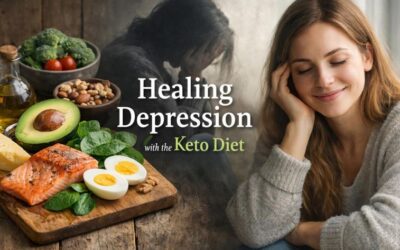
The ketogenic diet is a high-fat, very low-carbohydrate dietary approach designed to induce nutritional ketosis, a metabolic state where the body shifts from using glucose to ketone bodies for energy. This shift supports energy needs during carbohydrate restriction and has been shown to promote significant weight loss, particularly in the short term, compared to low-fat diets. However, this study highlights the possible negative side effects of a high-fat diet.
The Ketogenic Diet
Dietary composition, including the balance of protein, fat, and carbohydrates, influences overall food intake and the ability to lose weight. That being said, with any restrictive diet, like a high fat diet, there are potential limitations, just as this study shows.
What MIT Found: Why High-Fat Diets Push Liver Cells Toward Hepatocellular Carcinoma
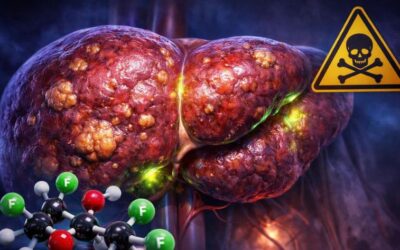
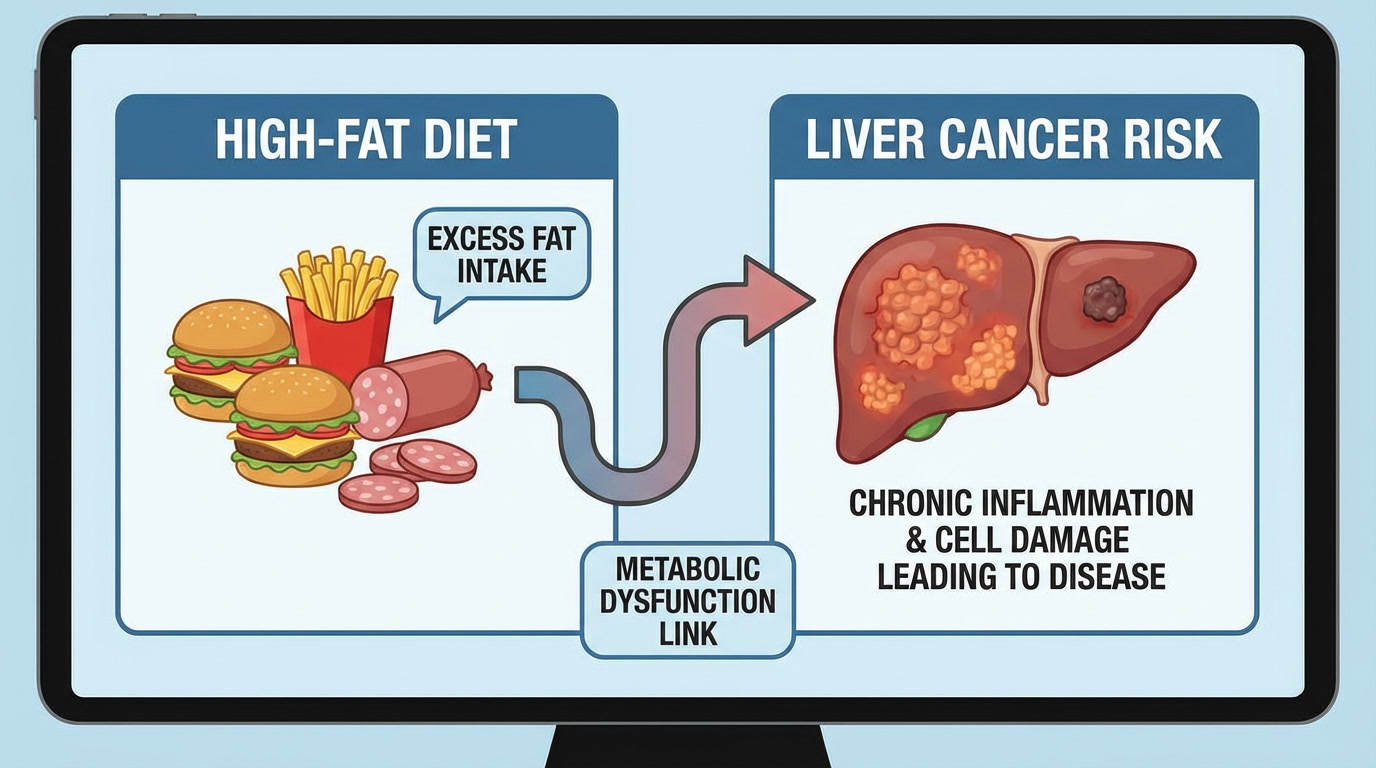
MIT researchers discovered that when the liver is repeatedly exposed to a high-fat diet, hepatocytes—the primary liver cells—begin to revert to an immature, stem-cell-like state. This regression is associated with changes in gene expression and the accumulation of mutations in the DNA of liver cells, which can initiate cancer of the liver.
This shift does two things:
- It helps cells survive a toxic environment in the short term.
- It increases their long-term risk of becoming cancerous.
In simple terms:
When the liver is under continuous metabolic stress, it sacrifices normal function to stay alive, but that survival strategy makes it more vulnerable to dangerous mutations. These changes can promote tumor growth by altering the underlying mechanisms that control cell proliferation and survival.
This cellular regression is driven by:
inflammation
toxic buildup
mitochondrial dysfunction
overloaded detox pathways
impaired bile flow
endocrine disruption
nutrient deficiencies
underlying mechanisms such as changes in gene expression that link high-fat diets to increased cancer risk
The result?
Fatty liver disease, metabolic dysfunction, and increased liver-cancer susceptibility—now showing up in younger and younger people.
Why This Matters Now More Than Ever
This study didn’t happen in a vacuum.
We are living in an environment where the liver is facing pressures it was never meant to handle:
halogens like fluoride, bromide, chlorine
microplastics
pesticides & herbicides
pharmaceuticals
seed oils
alcohol
mold toxins
processed foods
endocrine disruptors
chronic stress
Even if someone avoids junk food, these exposures alone can trigger the same defense mechanisms identified in the study.
Add in a high-fat diet, and the liver becomes overwhelmed.
But here’s the empowering truth:
You can reverse or prevent these changes by shifting the metabolic environment, supporting detox pathways, and avoiding dietary patterns that place unnecessary stress on the liver.
Hepatitis and Liver Health
Hepatitis — which refers to inflammation of the liver — represents one of the most significant risk factors that may contribute to developing liver cancer. Chronic infections with hepatitis B or hepatitis C viruses may cause long-term liver damage, potentially increasing the risk of hepatocellular carcinoma in a profound way. However, hepatitis represents just one piece of the puzzle — other risk factors such as excessive alcohol consumption, obesity, and high-fat dietary patterns may also contribute to the likelihood of developing this serious condition.
The Better Dietary Approach: High Wild Animal Protein, Moderate Fat, Clean Carbs
Unlike classic ketogenic diets—which pair extremely high fat with low carbs—your liver thrives when you provide it with:
High wild animal protein: Wild animal protein provides the most nutrient-dense food on the planet, in a world where nutrient density has fallen significantly. It is rich in amino acids, minerals, and vitamins, needed for muscle, tissue, brain, metabolism, and more. Unlike wild animal protein, conventionally raised animal protein, like chicken, poultry, and beef, contains amyloid proteins that cannot be as easily absorbed and can trigger gut issues and inflammation.
Moderate, clean fats: The dietary fat content of your meals, including the types of dietary fats consumed, can significantly impact your liver health. Diets rich in seed oils, PUFAs, and fats from processed foods can overwhelm the liver, accelerating fatty liver disease, while fats like olive oil and omega-3 fatty acids are associated with disease prevention and improved lipid profiles. Regardless of the type of fat, too much of any type can put stress on the liver.
Carbohydrates from whole foods: Carbohydrate intake from whole, unprocessed sources supports metabolic flexibility and helps regulate blood sugar levels. Restricting carbohydrate intake, as in the ketogenic diet, induces a metabolic shift from glucose utilization to ketone production, but too much restriction for certain people can lead to increased stress and thus other negative side effects.
This pattern stabilizes blood sugar, supports hormone health, and reduces liver strain—without pushing hepatocytes into the regression state MIT identified.
The Accelerated Health® Liver-First Strategy
To counteract liver stress and reduce cancer susceptibility, we focus on:
opening detox pathways
improving bile flow
supporting mitochondrial repair
clearing toxins safely
boosting immunity
restoring iodine and mineral sufficiency
improving metabolic flexibility and ketosis
These are the exact areas targeted by the Accelerated Health formulas below.
Accelerated Liver Care®: The Foundation for Repair
When the liver becomes inflamed or congested, detoxification slows, fat accumulates, and mitochondria weaken.
Accelerated Liver Care® is designed to support:
Phase 1, 2, and 3 detoxification
bile production and flow
fat metabolism and hormone clearance
liver-cell resilience
microbial and parasite defense
reduction of oxidative stress
Ingredients such as Kukti, Phyllanthus, TUDCA, Andrographis, Thai Black Ginger, Milk Thistle, Skullcap, and others provide a clean, comprehensive formula without sulfur or oxalate burden—making it safe even for sensitive individuals.
This formula directly counteracts the exact stress patterns described in the MIT study.
Accelerated Fast™: Ketosis Without the High-Fat Diet
One of the biggest breakthroughs for modern metabolic health is this:
You can get into ketosis—and enjoy the fat-burning and autophagy benefits—without eating a high-fat diet.
Accelerated Fast™ helps your body:
shift into fat-burning mode naturally
increase mental clarity
reduce cravings and blood-sugar swings
stabilize mood and energy
improve mitochondrial function
support autophagy (cellular cleanup)
This process induces nutritional ketosis, a metabolic state achieved through carbohydrate restriction, where the body shifts from using glucose to producing ketone bodies for energy. During nutritional ketosis, free fatty acids are released from adipose tissue and transported to the liver, where they are converted into ketone bodies to support energy needs when glucose is scarce.
This allows you to enjoy the metabolic advantages of ketosis without exposing your liver to the dangers of high-fat dietary patterns.
It is the perfect match for people who want:
metabolic flexibility
reduced inflammation
cleaner detox pathways
…without damaging hepatocytes.
Accelerated Silver®: Strengthening Immunity While Reducing Liver Burden
The liver is deeply connected to the immune system.
A weakened liver increases infection susceptibility, while infections create additional liver stress.
Accelerated Silver® helps:
reduce microbial load
support frontline immunity
reduce inflammation that burdens liver detox
protect the system during high exposure or seasonal illness
Unlike traditional antimicrobials, it does not harm the liver or kill beneficial bacteria.
A strong immune system = a lighter liver workload.
Acceleradine® Iodine: The Missing Piece in Liver & Metabolic Repair
Iodine deficiency is widespread today due to halogen exposure and soil depletion.
Iodine is essential for:
thyroid hormone production
metabolic rate
mitochondrial ATP output
detoxification
hormone clearance
immune defense
liver function and bile flow
Acceleradine® Iodine helps:
displace toxic halogens stored in the liver
strengthen mitochondrial function
boost metabolic capacity
enhance the liver’s ability to neutralize carcinogens
support normal cellular apoptosis (clean cell recycling)
This is crucial, because MIT’s study showed that when liver cells lose their mature identity, they become more vulnerable to cancer.
Iodine helps protect healthy cell expression and restore biochemical integrity.
A Whole-System Approach to Liver Protection
A whole-system approach to liver protection focuses on restoring the internal environment that allows the liver to function as it was designed to. When these formulas are used together, they help create a metabolic terrain in which hepatocytes remain healthy and resilient, detoxification pathways stay open and efficient, and mitochondrial energy production improves. As cellular energy rises, inflammation naturally declines, immune function becomes more balanced and responsive, and fat metabolism normalizes rather than stalling or backing up in the liver. Over time, this supportive environment reduces chronic stress signals inside liver tissue, helping lower susceptibility to long-term dysfunction and disease. This stands in direct contrast to the inflammatory, congested environment created by high-fat diets and modern metabolic overload, which place continual strain on liver cells and impair their ability to protect the body.
Why This Research Matters for Your Family
Fatty liver disease is now appearing in children, teenagers, and adults with “normal” diets.
We cannot wait until symptoms appear—the damage begins decades earlier, as MIT revealed.
Supporting the liver is no longer optional.
It is foundational.
How to Put This Into Practice Today
Daily Core Protocol
Accelerated Liver Care®
Acceleradine® Iodine
Accelerated Silver®
Accelerated Fast™
Dietary Framework
high wild animal protein
moderate fats
carbohydrates from whole foods
avoid seed oils, processed foods, and alcohol
walk daily to move lymph and detox metabolites
Lifestyle
sleep deeply (liver detox happens at night)
sauna and sweating
hydration with Accelerated Ancient Salt®
The Bottom Line
MIT’s research confirms a powerful truth:
The liver is extraordinarily adaptive, but chronic metabolic stress—and especially high-fat diets—push it into survival mode. Over time, that survival mode increases cancer susceptibility.
But the liver can also regenerate—beautifully—when given the right metabolic environment.
Supporting your liver daily is not a luxury.
It is the most important investment you can make for your long-term metabolic, hormonal, and immune health.
And with the right nutrition, detox tools, and targeted Accelerated formulas, your liver can return to the resilient, powerful organ it was designed to be.

Sara Banta
Sara Banta is a Stanford University Graduate with a Degree in Economics and Psychology, and a certified Natural Supplement Expert & Graduate of the Institute for Integrative Nutrition. Sara is the Founder of Accelerated Health Products and host of the health & wellness podcast, Accelerated Health Radio.
- Sara Banta
- Sara Banta
- Sara Banta
- Sara Banta
- Sara Banta
- Sara Banta
- Sara Banta
- Sara Banta
- Sara Banta
- Sara Banta
- Sara Banta
- Sara Banta
- Sara Banta
- Sara Banta
- Sara Banta
- Sara Banta
- Sara Banta
- Sara Banta
- Sara Banta
- Sara Banta
- Sara Banta
- Sara Banta
- Sara Banta
- Sara Banta
- Sara Banta
- Sara Banta
- Sara Banta
- Sara Banta
- Sara Banta
- Sara Banta
- Sara Banta
- Sara Banta
- Sara Banta
- Sara Banta
- Sara Banta
- Sara Banta
- Sara Banta
- Sara Banta
- Sara Banta
- Sara Banta
- Sara Banta
- Sara Banta
- Sara Banta
- Sara Banta
- Sara Banta
- Sara Banta
- Sara Banta
- Sara Banta
- Sara Banta
- Sara Banta
- Sara Banta
- Sara Banta
- Sara Banta
- Sara Banta
- Sara Banta
- Sara Banta
- Sara Banta
- Sara Banta
- Sara Banta
- Sara Banta
- Sara Banta
- Sara Banta
- Sara Banta
- Sara Banta
- Sara Banta
- Sara Banta
- Sara Banta
- Sara Banta
- Sara Banta
- Sara Banta
- Sara Banta
- Sara Banta
- Sara Banta
- Sara Banta
- Sara Banta
- Sara Banta
- Sara Banta
- Sara Banta
- Sara Banta
- Sara Banta
- Sara Banta
- Sara Banta
- Sara Banta
- Sara Banta
- Sara Banta
- Sara Banta
- Sara Banta
- Sara Banta
- Sara Banta
- Sara Banta
- Sara Banta
- Sara Banta
- Sara Banta
- Sara Banta
- Sara Banta
- Sara Banta
- Sara Banta
- Sara Banta
- Sara Banta
- Sara Banta
- Sara Banta
- Sara Banta
- Sara Banta
- Sara Banta
- Sara Banta
- Sara Banta
- Sara Banta
- Sara Banta
- Sara Banta
- Sara Banta
- Sara Banta
- Sara Banta
- Sara Banta
- Sara Banta
- Sara Banta
- Sara Banta
- Sara Banta
- Sara Banta
- Sara Banta
- Sara Banta
- Sara Banta
- Sara Banta
- Sara Banta
- Sara Banta
- Sara Banta
- Sara Banta
- Sara Banta
- Sara Banta
- Sara Banta
- Sara Banta
- Sara Banta
- Sara Banta
- Sara Banta
- Sara Banta
- Sara Banta
- Sara Banta
- Sara Banta
- Sara Banta
- Sara Banta
- Sara Banta
- Sara Banta
- Sara Banta
- Sara Banta
- Sara Banta
- Sara Banta
- Sara Banta
- Sara Banta
- Sara Banta
- Sara Banta
- Sara Banta
- Sara Banta
- Sara Banta
- Sara Banta
- Sara Banta
- Sara Banta
- Sara Banta
- Sara Banta
- Sara Banta
- Sara Banta
- Sara Banta
- Sara Banta
- Sara Banta
- Sara Banta
- Sara Banta
- Sara Banta
- Sara Banta
- Sara Banta
- Sara Banta
- Sara Banta
- Sara Banta
- Sara Banta
- Sara Banta
- Sara Banta
- Sara Banta
- Sara Banta
- Sara Banta
- Sara Banta
- Sara Banta
- Sara Banta
- Sara Banta
- Sara Banta
- Sara Banta
- Sara Banta
- Sara Banta
- Sara Banta
- Sara Banta
- Sara Banta
- Sara Banta
- Sara Banta
- Sara Banta
- Sara Banta
- Sara Banta
- Sara Banta
- Sara Banta
- Sara Banta
- Sara Banta
- Sara Banta
- Sara Banta
- Sara Banta
- Sara Banta
- Sara Banta
- Sara Banta
- Sara Banta
- Sara Banta
- Sara Banta
- Sara Banta
- Sara Banta
- Sara Banta
- Sara Banta
- Sara Banta
- Sara Banta
- Sara Banta
- Sara Banta
- Sara Banta
- Sara Banta
- Sara Banta
- Sara Banta
- Sara Banta
- Sara Banta
- Sara Banta