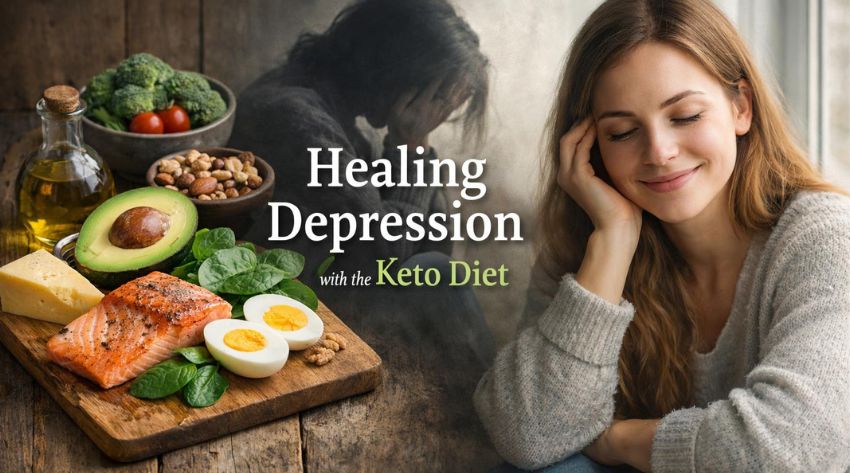
A growing body of research now points to metabolic dysfunction in the brain—impaired energy production, inflammation, insulin resistance, and mitochondrial stress—as central drivers of low mood, fatigue, and treatment-resistant depression.
This shift in understanding helps explain why dietary interventions like the ketogenic diet are now being studied for their antidepressant potential. When the brain struggles to efficiently use glucose, providing an alternative fuel source—ketones—can dramatically change how neurons function, communicate, and recover.
Introduction to Depression
Depression—clinically known as major depressive disorder—isn’t just feeling sad. It’s one of the most serious mental health conditions affecting people worldwide, and it doesn’t discriminate. This persistent shadow steals more than just your mood. It robs you of interest in the things you once loved, drains your energy, and can hijack every aspect of your daily existence.
And that’s exactly why understanding it matters.
According to the Diagnostic and Statistical Manual (DSM-5), we’re talking about at least two weeks of ongoing low mood or complete loss of interest, accompanied by a cascade of other symptoms. Changes in appetite that leave you either picking at food or consuming everything in sight. Sleep that becomes either elusive or excessive. Fatigue that makes simple tasks feel mountainous. A mind that struggles to focus. Physical symptoms like headaches or digestive chaos that seem to come from nowhere.
This isn’t a simple chemical imbalance you can just “think your way out of.” Depression emerges from a complex web of genetic, biological, psychological, and environmental factors all converging at once. Your family history loads the dice. Chronic illness adds weight. Substance use disorders create additional burden. Traumatic life events become the final straw. Certain personality traits make you more susceptible to this mental storm.
Depression strikes anyone, but it has preferences. Adolescence and early adulthood are prime time for this condition to emerge. Women experience depression at higher rates than men—a reality that reflects both biological differences and societal pressures that compound over time.
The landscape of depression isn’t uniform either. Major depressive disorder is the most recognized form, but there’s also perinatal depression that strikes during or after pregnancy, turning what should be a joyful time into emotional chaos.
Bipolar disorder creates a different challenge entirely—alternating between crushing lows and dangerous highs. Depression rarely travels alone, often bringing anxiety disorders, eating disorders, and personality disorders along for the ride. Sometimes symptoms overlap with chronic illness, making it crucial for trained health care providers to carefully untangle what’s really happening beneath the surface.
The symptoms create their own prison. Persistent sadness, hopelessness, and crushing low self-esteem become your daily companions. Motivation vanishes. Your appetite becomes unpredictable. Sleep turns into either a refuge you can’t escape or an enemy that won’t come. Energy drains away like water through a broken container. Concentration becomes nearly impossible. Your body starts speaking its own language of unexplained aches and pains.
Left unchecked, depression doesn’t just stay in its lane. It increases your risk of substance abuse, chronic health conditions, and even suicide. The cascade effect is real and devastating.
But here’s what you need to know: depression is highly treatable. The arsenal of effective approaches includes low carb diet, cognitive behavioural therapy (CBT), group treatment, and talk therapy that help rewire destructive thought patterns. Antidepressant medications like SSRIs are used with mixed results. Systematic reviews and meta-analyses of randomized controlled trials consistently show that CBT works powerfully—either alone or combined with medication. Lifestyle changes become your foundation: regular exercise that acts as natural antidepressant, proper nutrition that fuels recovery, and avoiding illicit drugs that sabotage progress.
Could Ketosis Help Depression?
For some people, dietary interventions like low-carbohydrate or ketogenic diets are emerging as complementary strategies for supporting mental health. While research is still developing, early evidence suggests that nutritional ketosis may offer benefits for certain individuals experiencing depression—especially when integrated with other forms of medical treatment and comprehensive support.
But there’s a problem.
Traditional ketogenic diets are extremely difficult to maintain, heavily reliant on high-fat intake, and often poorly tolerated—especially by individuals with liver stress, hormonal imbalance, gallbladder issues, or existing inflammation. For many people, the diet itself becomes another source of stress.
The good news is that you don’t need a strict high-fat keto diet to access the brain benefits of ketosis.
Why Ketones Matter for Depression
The brain consumes more energy than any other organ. Under chronic stress, toxin exposure, inflammation, or hormonal disruption, brain cells often lose the ability to efficiently metabolize glucose.
This can show up as:
Persistent low mood
Brain fog and poor focus
Lack of motivation
Emotional flatness or anxiety
Fatigue that doesn’t improve with rest
Ketones offer the brain a cleaner, more efficient fuel. Compared to glucose, ketones:
Produce fewer inflammatory byproducts
Require less insulin
Improve mitochondrial efficiency
Stabilize neuronal signaling
For many, the antidepressant effect of ketosis has less to do with weight loss and more to do with restoring usable energy inside brain cells.
The Problem With High-Fat Keto for Mental Health
While ketogenic diets can be helpful, they are not realistic or appropriate for most people long-term.
High-fat keto can:
Overwhelm the liver and the bile system
Worsen estrogen dominance and hormonal symptoms
Increase nausea, fatigue, or irritability
Be nearly impossible to maintain consistently
Additionally, high-fat diets may have potential adverse effects, such as digestive issues or increased cholesterol, especially if unhealthy fats are consumed.
In fact, studies consistently show that very few people stay on strict keto once structured support is removed, which limits its usefulness as a mental health strategy. When following a high-fat diet, it is important to focus on healthy fats to support overall wellness and minimize negative outcomes.
Many people also experience the ‘keto flu’ and symptoms of carbohydrate withdrawal when starting a keto diet. These initial side effects, such as fatigue and irritability, are common as the body adjusts to a sudden drop in carbohydrate intake.
This is where a targeted, supplement-based metabolic approach becomes far more practical.
Accelerated Fast®: The Key to Ketosis without a High Fat Ketogenic Diet
Unlike traditional ketogenic approaches that rely on excessive dietary fat, Accelerated Fast® is designed to help the body access ketosis by supporting metabolic signaling, fat mobilization, and ketone availability—without eating a high-fat diet and overwhelming the liver or digestive system. By promoting ketosis, Accelerated Fast® helps the body burn fat for energy, which can support losing weight and provide additional health benefits.
Each ingredient plays a specific role in creating metabolic flexibility, which is especially important for individuals struggling with low energy, brain fog, or depression.
Accelerated Fast® Ingredients
L-Threonine
L-Threonine is a lipotropic amino acid that supports the liver’s ability to process and mobilize fat efficiently. Because ketone production occurs in the liver, fat must first be released and handled properly. L-Threonine helps prevent fat congestion in liver tissue, supporting a smoother transition into fat burning and ketone utilization—without the stress of high dietary fat intake.
Organic Kelp Minerals (Laminaria)
This ingredient provides trace minerals that support enzyme activity during fasting and ketosis. Ketone metabolism is mineral-dependent, and deficiencies can worsen fatigue, low mood, and brain fog. The iodine content also supports thyroid signaling, which is essential for metabolic rate and mood stability during any fat-burning or fasting state.
Mukul Commiphora (Guggul)
Guggul is a traditional Ayurvedic resin known for supporting lipid metabolism and liver detoxification. It helps stimulate metabolic “fire,” encouraging the body to release stored fat while supporting bile flow and detox pathways. This is particularly helpful for individuals whose depression is accompanied by sluggish metabolism or fatty liver tendencies.
Trikatu (Ginger, Black Pepper, Long Pepper)
Trikatu is included to enhance digestive strength and nutrient absorption. Efficient digestion and assimilation are critical during fasting or ketosis, as poor absorption can lead to weakness, irritability, and mood instability. Trikatu helps ensure the body can actually utilize the metabolic signals Accelerated Fast® provides.
PurCaf® (Organic Green Coffee Bean Caffeine)
PurCaf® supplies a clean, plant-based caffeine source that supports alertness and metabolic activation without the sharp spikes and crashes associated with synthetic caffeine. This gentle stimulation can help improve motivation and mental clarity during metabolic transitions—without overstressing the nervous system.
Theacrine
Theacrine works synergistically with PurCaf® to provide longer-lasting energy, improved mood, and mental focus. Unlike traditional stimulants, theacrine supports dopamine signaling without tolerance buildup, making it particularly relevant for individuals dealing with depression-related low motivation or mental fatigue.
Organic Cayenne
Cayenne supports circulation, thermogenesis, and metabolic activation. It also helps reduce appetite during fasting windows and improves digestive efficiency. By enhancing blood flow and metabolic responsiveness, cayenne supports both physical energy and mental alertness during ketosis.
β-Hydroxy β-Methylbutyrate (HMB)
HMB is included to help preserve lean muscle mass during fat loss or fasting. This is critical because muscle loss can worsen metabolic slowdown and fatigue—both of which negatively affect mood. Supporting muscle integrity helps maintain metabolic stability while the body shifts toward ketone use.
GoBHB® Exogenous Ketones (Calcium & Magnesium BHB)
Accelerated Fast® includes GoBHB® in the form of calcium and magnesium β-hydroxybutyrate, not sodium. These exogenous ketones help raise circulating ketone levels directly, giving the brain immediate access to an alternative fuel source. The inclusion of calcium and magnesium also supports neuromuscular function and helps prevent the electrolyte depletion that can worsen anxiety, fatigue, and depressive symptoms during ketosis.
Why This Matters for Depression
Ketones are not just a weight-loss tool—they are a neuroenergetic fuel. By helping the brain access ketones without forcing a high-fat diet, Accelerated Fast® supports:
Improved mitochondrial energy production
Reduced neuroinflammation
More stable mood and mental clarity
Better tolerance to metabolic change
When paired with thyroid and metabolic signaling, Acceleradine® Iodine, Accelerated Methylene Blue® (cellular energy and redox balance), and Cogniblast® (neurotransmitter and brain energy support), this approach addresses depression at its metabolic root, not just at the symptom level.
Supporting Depression Beyond Ketones: The Essential Stack
Ketones alone are rarely enough. Depression improves most consistently when thyroid signaling, mitochondrial energy, detoxification, and neurotransmitter balance are supported together.
Acceleradine® Iodine
Supporting Thyroid, Mood, and Metabolic Tone
The number one cause of depression is Iodine Deficiency.
Iodine is essential for:
Thyroid hormone production and sensitivity
Dopamine and serotonin signaling
Displacement of toxic halogens that interfere with brain chemistry
Low iodine slows metabolism and worsens fatigue and low mood. Restoring iodine sufficiency helps re-establish the metabolic foundation needed for emotional resilience.
Accelerated Methylene Blue®
Restoring Brain Energy at the Mitochondrial Level
Accelerated Methylene Blue® supports:
Electron transport chain efficiency
ATP production in neurons
Reduced oxidative stress
This improves the quality of energy production in the brain, which often translates to better clarity, motivation, and mood—without stimulation.
Cogniblast®
Neurotransmitter Balance and Cognitive Resilience
Cogniblast® supports:
Neurotransmitter synthesis
Cerebral energy metabolism
Stress resilience and focus
As brain energy improves, emotional regulation often follows—highlighting the deep connection between cognition and mood.
Why This Keto Approach Works for Depression
Depression often improves when:
Brain cells have access to clean fuel
Blood sugar stabilizes
Mitochondrial function improves
Toxins stop interfering with signaling
This approach does not force neurotransmitters or rely on restrictive diets. Instead, it supports the metabolic foundation of mental health.
Depression is not simply a chemical imbalance—it is often a sign that the brain is struggling to access energy, regulate inflammation, and maintain metabolic stability. By supporting ketosis without a high-fat diet and restoring thyroid signaling, mitochondrial function, and neurotransmitter balance, this metabolic approach offers a practical, sustainable way to address depression at its root rather than chasing symptoms alone.

Sara Banta
Sara Banta is a Stanford University Graduate with a Degree in Economics and Psychology, and a certified Natural Supplement Expert & Graduate of the Institute for Integrative Nutrition. Sara is the Founder of Accelerated Health Products and host of the health & wellness podcast, Accelerated Health Radio.
- Sara Banta
- Sara Banta
- Sara Banta
- Sara Banta
- Sara Banta
- Sara Banta
- Sara Banta
- Sara Banta
- Sara Banta
- Sara Banta
- Sara Banta
- Sara Banta
- Sara Banta
- Sara Banta
- Sara Banta
- Sara Banta
- Sara Banta
- Sara Banta
- Sara Banta
- Sara Banta
- Sara Banta
- Sara Banta
- Sara Banta
- Sara Banta
- Sara Banta
- Sara Banta
- Sara Banta
- Sara Banta
- Sara Banta
- Sara Banta
- Sara Banta
- Sara Banta
- Sara Banta
- Sara Banta
- Sara Banta
- Sara Banta
- Sara Banta
- Sara Banta
- Sara Banta
- Sara Banta
- Sara Banta
- Sara Banta
- Sara Banta
- Sara Banta
- Sara Banta
- Sara Banta
- Sara Banta
- Sara Banta
- Sara Banta
- Sara Banta
- Sara Banta
- Sara Banta
- Sara Banta
- Sara Banta
- Sara Banta
- Sara Banta
- Sara Banta
- Sara Banta
- Sara Banta
- Sara Banta
- Sara Banta
- Sara Banta
- Sara Banta
- Sara Banta
- Sara Banta
- Sara Banta
- Sara Banta
- Sara Banta
- Sara Banta
- Sara Banta
- Sara Banta
- Sara Banta
- Sara Banta
- Sara Banta
- Sara Banta
- Sara Banta
- Sara Banta
- Sara Banta
- Sara Banta
- Sara Banta
- Sara Banta
- Sara Banta
- Sara Banta
- Sara Banta
- Sara Banta
- Sara Banta
- Sara Banta
- Sara Banta
- Sara Banta
- Sara Banta
- Sara Banta
- Sara Banta
- Sara Banta
- Sara Banta
- Sara Banta
- Sara Banta
- Sara Banta
- Sara Banta
- Sara Banta
- Sara Banta
- Sara Banta
- Sara Banta
- Sara Banta
- Sara Banta
- Sara Banta
- Sara Banta
- Sara Banta
- Sara Banta
- Sara Banta
- Sara Banta
- Sara Banta
- Sara Banta
- Sara Banta
- Sara Banta
- Sara Banta
- Sara Banta
- Sara Banta
- Sara Banta
- Sara Banta
- Sara Banta
- Sara Banta
- Sara Banta
- Sara Banta
- Sara Banta
- Sara Banta
- Sara Banta
- Sara Banta
- Sara Banta
- Sara Banta
- Sara Banta
- Sara Banta
- Sara Banta
- Sara Banta
- Sara Banta
- Sara Banta
- Sara Banta
- Sara Banta
- Sara Banta
- Sara Banta
- Sara Banta
- Sara Banta
- Sara Banta
- Sara Banta
- Sara Banta
- Sara Banta
- Sara Banta
- Sara Banta
- Sara Banta
- Sara Banta
- Sara Banta
- Sara Banta
- Sara Banta
- Sara Banta
- Sara Banta
- Sara Banta
- Sara Banta
- Sara Banta
- Sara Banta
- Sara Banta
- Sara Banta
- Sara Banta
- Sara Banta
- Sara Banta
- Sara Banta
- Sara Banta
- Sara Banta
- Sara Banta
- Sara Banta
- Sara Banta
- Sara Banta
- Sara Banta
- Sara Banta
- Sara Banta
- Sara Banta
- Sara Banta
- Sara Banta
- Sara Banta
- Sara Banta
- Sara Banta
- Sara Banta
- Sara Banta
- Sara Banta
- Sara Banta
- Sara Banta
- Sara Banta
- Sara Banta
- Sara Banta
- Sara Banta
- Sara Banta
- Sara Banta
- Sara Banta
- Sara Banta
- Sara Banta
- Sara Banta
- Sara Banta
- Sara Banta
- Sara Banta
- Sara Banta
- Sara Banta
- Sara Banta
- Sara Banta
- Sara Banta
- Sara Banta
- Sara Banta
- Sara Banta
- Sara Banta
- Sara Banta
- Sara Banta
- Sara Banta
- Sara Banta
- Sara Banta
- Sara Banta
- Sara Banta
- Sara Banta
- Sara Banta
- Sara Banta
- Sara Banta
- Sara Banta
- Sara Banta